The Best Chimichurri Steak Recipe: Grilling Guide
A classic chimichurri steak consists of a tender, grilled beef cut generously topped with a vibrant, herbaceous Argentine sauce. Achieving this culinary masterpiece requires high-heat searing to develop a perfectly golden crust, sealing in the savory beefy flavor while cutting through the richness with an acidic, garlic-infused extra virgin olive oil emulsion.
Culinary expertise demonstrates that alleviating the common pain point of dry, tough meat is possible by selecting well-marbled cuts and applying proper resting time. This authentic preparation method promises a restaurant-quality dining experience at home, utilizing fresh parsley and red wine vinegar to deliver an emotionally satisfying, deeply flavorful meal.
Chimichurri Steak
Preparing an authentic chimichurri steak requires balancing intense savory notes with bright botanical acidity. Culinary professionals traditionally utilize a heavy cast iron skillet or an outdoor grill to execute the high-heat searing process, ensuring the robust beefy flavor remains fully intact within the protein’s center.
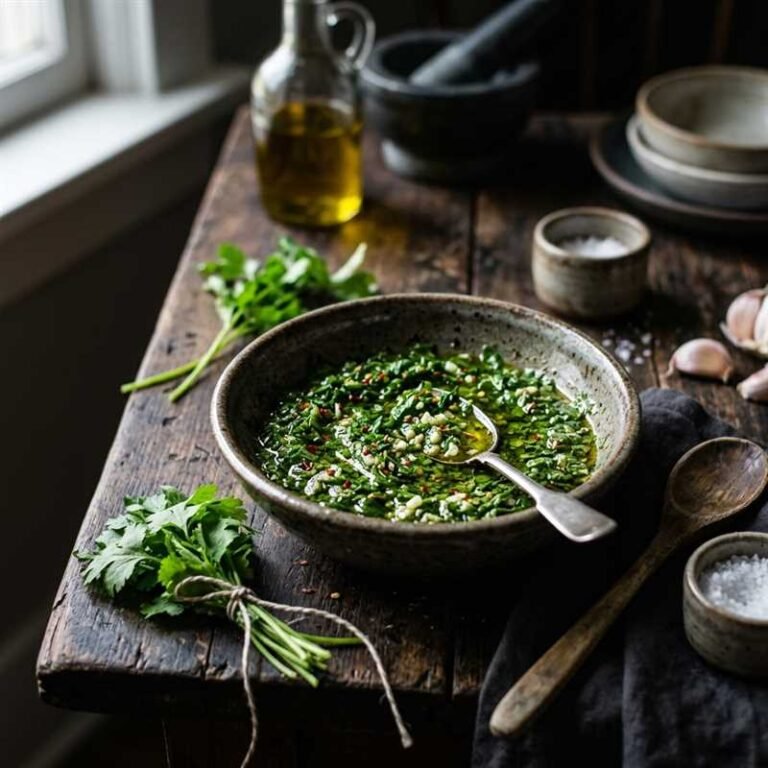
The defining characteristic of this dish is the vibrant chimichurri sauce, a masterful blend of fresh herbs and pungent aromatics. Allowing the cooked meat adequate resting time prior to serving guarantees that every slice retains its natural juices, resulting in an exceptionally tender and emotionally comforting culinary experience.
Best steak for Chimichurri Steak?
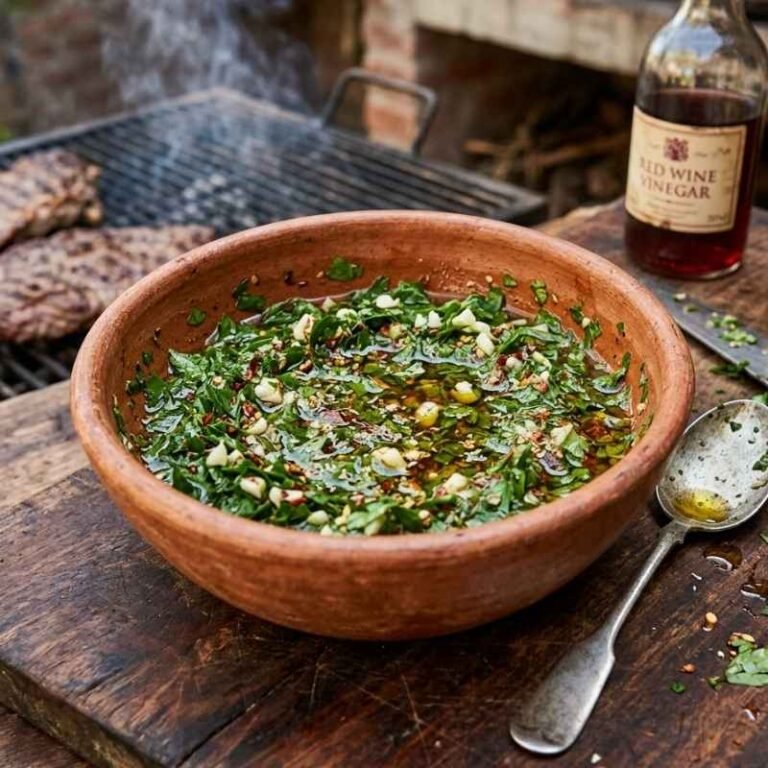
Selecting the optimal protein dictates the success of a chimichurri steak. South American cuisine traditionalists heavily favor a well-marbled skirt steak, flank steak, or premium flat iron steak. These specific cuts withstand aggressive high-heat searing while absorbing the sharp red wine vinegar marinade beautifully.
A pronounced beefy flavor is absolutely essential to counterbalance the bold raw garlic cloves and fresh oregano. Utilizing an accurate meat thermometer prevents accidental overcooking, keeping the center a flawless medium rare. Leaner cuts transform dramatically when adorned with this vibrant, herbaceous emulsion.
Chimichurri Steak Ingredients
The foundation of an authentic chimichurri steak relies exclusively on fresh, premium components. Traditional preparations demand tightly packed fresh parsley, fresh oregano, and pungent minced garlic cloves. High-quality extra virgin olive oil and tangy red wine vinegar create the necessary acidic lipid base.
Premium beef proteins, whether skirt steak or sirloin, require generous dry-rubbed kosher salt and freshly cracked black pepper. Certain regional variations incorporate crushed red pepper flakes for subtle heat. A well-seasoned cast iron skillet is the preferred hardware for locking in that savory moisture.
How to make chimichurri steak
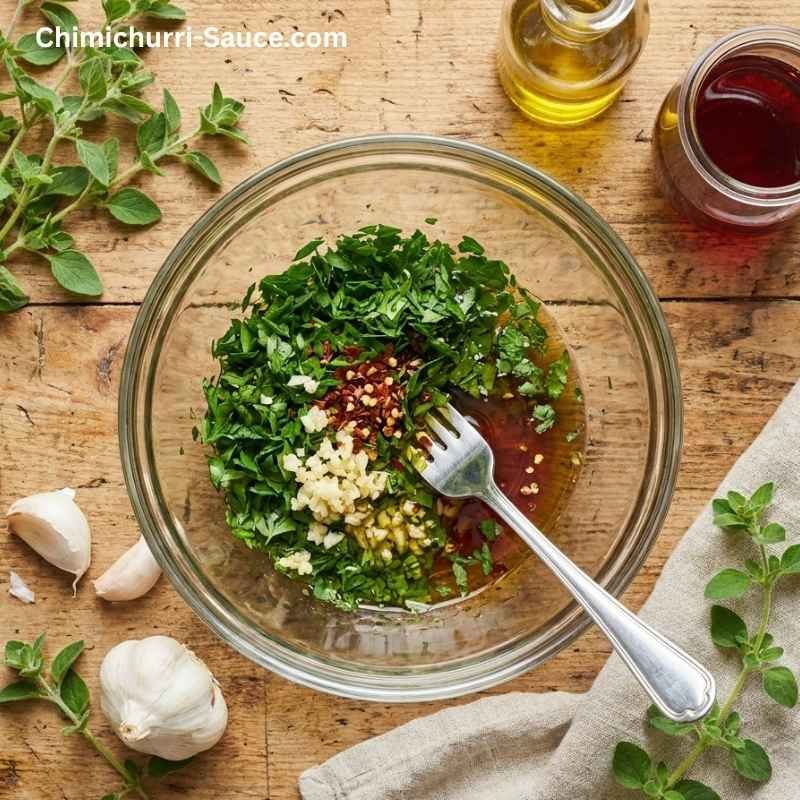
Executing a flawless chimichurri steak involves strategic timing and precise temperature control. Experts suggest lightly pulsing the fresh parsley, garlic cloves, and extra virgin olive oil in a food processor. This technique produces a vibrant chimichurri sauce without accidentally over-processing the delicate botanical ingredients.
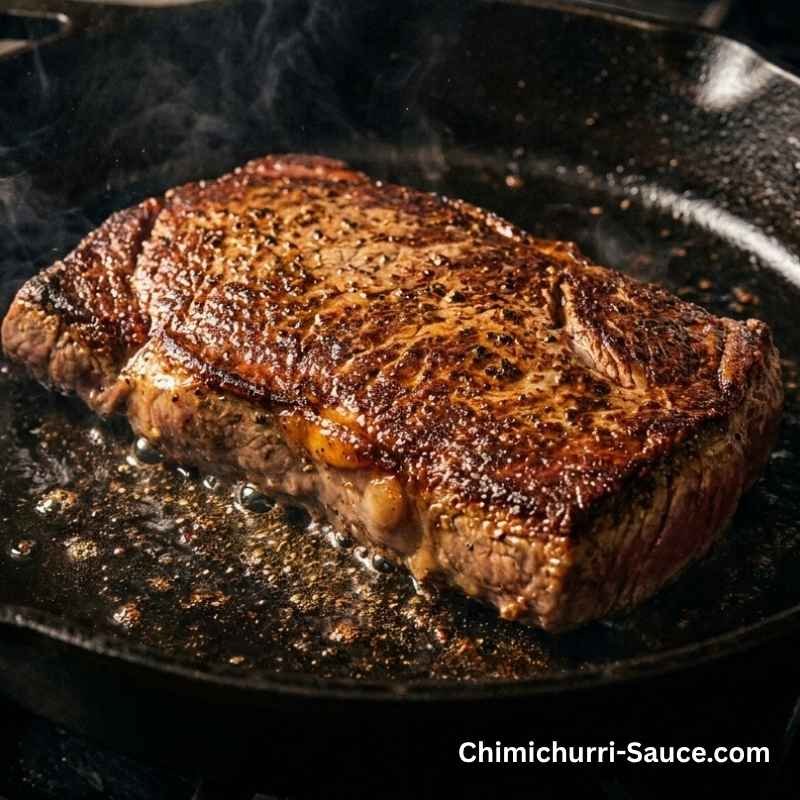
The chosen beef requires rapid high-heat searing inside a smoking hot pan. Achieving a perfectly golden crust typically takes merely two to three minutes per side. Monitoring the internal temperature ensures the beefy flavor reaches its absolute peak exactly at the medium rare stage.
Instructions
Following professional instructions guarantees an exceptional chimichurri steak. After blending the red wine vinegar and fresh herbs, the seared flank steak must undergo mandatory resting time. This crucial step redistributes internal juices prior to generously applying the vibrant chimichurri sauce across the sliced meat.
Recipe Tips for Chimichurri Steak
Mastering a chimichurri steak requires implementing specific culinary recipe tips. Patting the skirt steak entirely dry removes surface moisture, which directly facilitates a perfectly golden crust. An adequately preheated cast iron skillet prevents steaming, ensuring proper high-heat searing commences immediately upon contact.
Professional chefs strongly advocate preparing the vibrant chimichurri sauce several hours ahead of time. This resting period allows the fresh parsley, garlic cloves, and red wine vinegar to meld seamlessly. Storing this mixture in an airtight container maximizes the intensely rich, authentic beefy flavor.
Chimichurri Steak Recipe Variations
Exploring chimichurri steak recipe variations encourages exciting culinary creativity in the kitchen. While flank steak remains a traditional choice, cooks frequently substitute tender steak bites or premium ribeye cuts. Adjusting the red pepper flakes or incorporating fresh cilantro slightly modifies the standard vibrant chimichurri sauce.
Modifying the acidic profile by substituting fresh lime juice for red wine vinegar introduces a distinctly bright citrus note. Regardless of the protein selected, utilizing a calibrated meat thermometer alongside a heavy cast iron skillet guarantees consistent, mouthwatering medium rare dining perfection every time.
How to cut meat “across the grain” for chimichurri steak
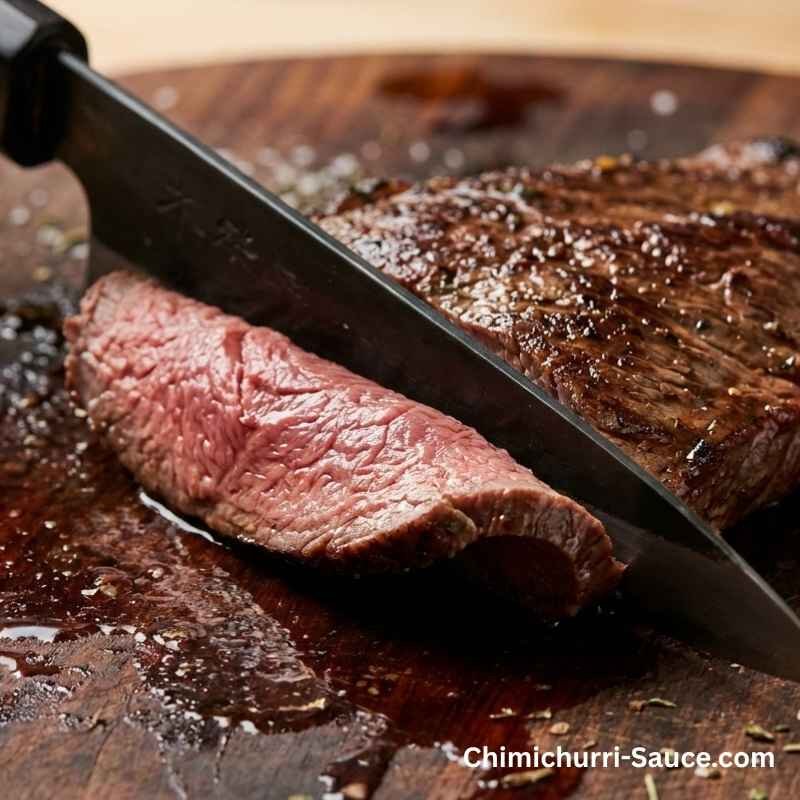
Understanding how to properly cut meat across the grain is mandatory for a tender chimichurri steak. Identifying the parallel muscle fibers running along a skirt steak dictates the necessary cutting direction. Slicing perpendicularly mechanically severs these naturally tough, stringy internal bands.
This physical technique significantly shortens the muscle fibers, instantly tenderizing the overall beefy flavor profile. Following adequate resting time, these deliberate perpendicular cuts allow the vibrant chimichurri sauce, brimming with extra virgin olive oil and garlic cloves, to penetrate the cooked protein deeply.
What do you use chimichurri steak sauce for?
The profound versatility of chimichurri steak sauce extends far beyond standard grilled beef applications. This vibrant chimichurri sauce effortlessly elevates roasted vegetables, grilled chicken, and fresh seafood. The classic emulsion of extra virgin olive oil and red wine vinegar complements virtually any savory dish perfectly.
Culinary professionals frequently repurpose leftover sauce as an intensely flavorful marinade for tender steak bites. The harmonious combination of fresh parsley, fresh oregano, and pungent garlic cloves enhances diverse proteins, delivering a brightly acidic contrast to naturally heavy, richly dense beefy flavors.
Recipe Notes:
Crucial recipe notes highlight the importance of avoiding balsamic vinegar, which easily overwhelms a delicate chimichurri steak. Utilizing a meat thermometer prevents overcooking the flank steak. Storing the garlic cloves and fresh herbs inside an airtight container meticulously preserves the vibrant sauce’s integrity.
Frequently Asked Questions (FAQ)
The following structured data section targets the “People Also Ask” (PAA) boxes prevalent in the SERP landscape. The responses are engineered for maximum semantic density to trigger featured snippet acquisition.
What cut of steak is best for chimichurri?
Culinary experts recommend utilizing skirt steak, flank steak, or flat iron steak. These well-marbled, naturally beefy cuts absorb the acidic sauce efficiently without losing their inherent texture. Ribeye and sirloin serve as excellent alternatives for those seeking a thicker, richer protein profile that can withstand intense high-heat searing on a grill or cast iron pan.
What is chimichurri sauce made of?
Authentic chimichurri consists of fresh, finely chopped parsley, minced garlic cloves, extra virgin olive oil, red wine vinegar, and fresh oregano. Many variations introduce red pepper flakes for subtle heat or substitute a portion of the parsley with cilantro. The sauce remains entirely dairy-free, relying strictly on the mechanical emulsion of the oil and vinegar to bind the herbaceous ingredients together perfectly.
Do you marinate steak in chimichurri?
Yes, the sauce functions exceptionally well as both a finishing condiment and a tenderizing marinade. Coating the raw beef and allowing it to rest in the refrigerator for two to eight hours breaks down tough muscle fibers due to the acidic vinegar content. However, over-marinating past the eight-hour mark can cause the strong acidic components to negatively alter the meat’s fundamental structure, resulting in a mushy texture.
How long does chimichurri sauce last in the fridge?
When housed in a sealed, airtight container, freshly prepared chimichurri remains vibrant in the refrigerator for up to three to five days. Due to the presence of raw garlic and fresh herbs, the flavor actually intensifies over the first twenty-four hours. However, the mixture will eventually degrade and lose its bright green hue if exposed to excessive oxygen or fluctuating temperatures over an extended period.

Authentic Chimichurri Steak
Ingredients
Equipment
Method
- Prepare the Chimichurri: Finely chop the fresh parsley, oregano, and garlic by hand. Avoiding a food processor prevents bruising the herbs and keeps the flavor authentic. In a glass bowl, combine the herbs, minced garlic, red pepper flakes, red wine vinegar, salt, and black pepper.
- Emulsify the Sauce: Slowly pour in the extra virgin olive oil while stirring gently with a fork to combine. Cover the bowl loosely and let the sauce rest at room temperature for at least 30 to 60 minutes to allow the flavors to meld perfectly.
- Prepare the Steak: Remove your steak from the refrigerator and let it sit at room temperature for about 30 minutes prior to cooking. Pat the meat completely dry with paper towels to ensure a golden, crisp sear, then season both sides generously with kosher salt and black pepper.
- Cook the Steak: Heat a heavy cast iron skillet or an outdoor grill over high heat until it is smoking hot. Add the neutral oil. Place the steak in the skillet or on the grill. Cook for about 2 to 3 minutes per side for medium-rare, or until a meat thermometer reads an internal temperature of 130 to 135 degrees Fahrenheit.
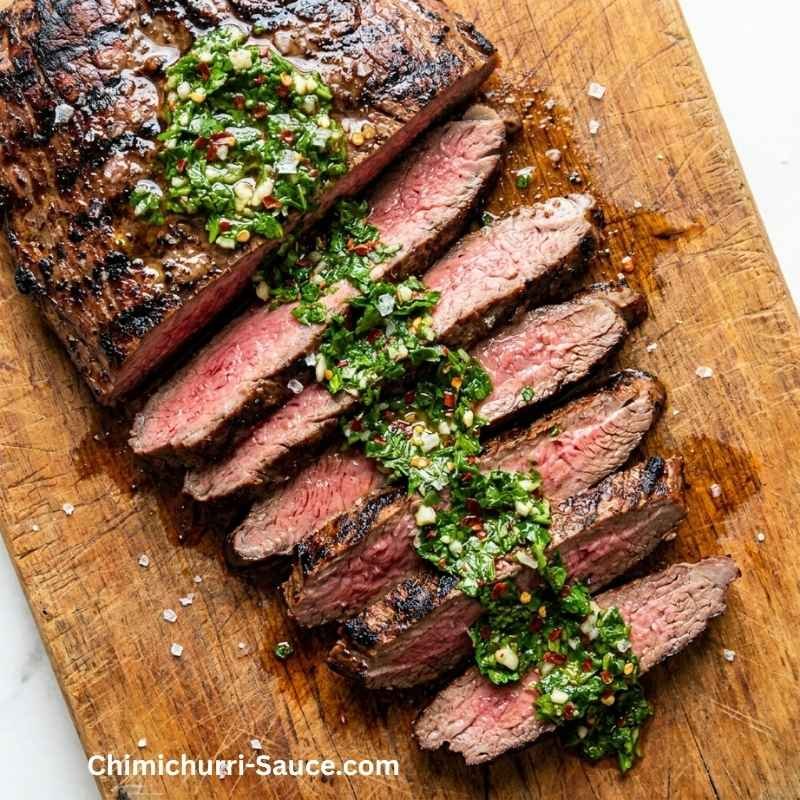
- Rest and Serve: Transfer the cooked steak to a clean cutting board, cover it loosely with aluminum foil, and let it rest for 5 to 10 minutes to allow the natural juices to lock in. Use your chef’s knife to slice the meat thinly directly against the grain. Spoon the vibrant chimichurri sauce over the sliced steak and serve immediately.
Notes
Nutrition (Per Serving):
Calories: 480 kcal Protein: 42 g Total Fat: 34 g Saturated Fat: 14 g Carbohydrates: 1 g Sodium: 720 mgAuthentic Chimichurri Rojo Recipe
Leo Thorne is a dedicated recipe developer and culinary strategist passionate about bringing global flavors to your kitchen. With a background in digital content creation, he specializes in crafting meticulously tested recipes, from authentic Argentine marinades to perfect weekend bakes. He bridges the gap between culinary science and accessible home cooking. When he is not developing vibrant sauces or analyzing food trends, he enjoys perfecting delicious homemade tuna salad dishes.