Authentic Chimichurri Sauce Recipe (Easy, Ready in 10 Min)
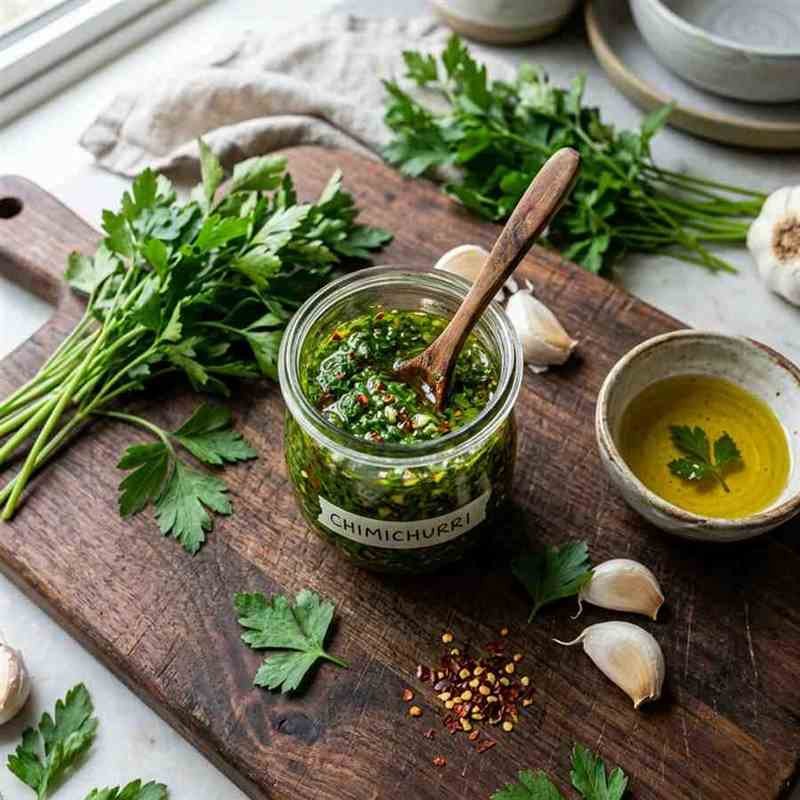
That first bite of chimichurri — bright green, tangy, garlicky, with a gentle kick from red pepper flakes — has a way of ruining bottled sauces for you forever. It’s the kind of thing you make once and immediately start putting on everything in sight: steak, obviously, but also roasted potatoes, scrambled eggs, grain bowls, even toast.
This chimichurri sauce recipe is the one you’ll come back to every grilling season (and honestly, every week in between). It takes about 10 minutes, uses ingredients you can find at any grocery store, and keeps in the fridge long enough to flavor an entire week’s worth of dinners.
This is also the most complete chimichurri guide you’ll find — covering what it is, how to make it both ways (hand-chopped and food-processor), verde vs. rojo variations, how spicy it actually gets, and exactly how long it lasts. No vague storage answers, no skipping the questions you actually have.
Good news for special diets: This recipe is naturally vegan, gluten-free, paleo, and Whole30 compliant.
What Is Chimichurri?
Chimichurri is an uncooked, oil-based herb condiment that originates from Argentina and Uruguay, where it’s been a staple of asado (the traditional South American barbecue culture) for generations. Think of it as the Southern Cone’s answer to pesto — but looser, brighter, and with a sharp vinegar bite that cuts through rich grilled meats like a knife.
The classic version is built on fresh flat-leaf parsley, garlic, dried oregano, red wine vinegar, olive oil, and red pepper flakes. That’s it. No cooking, no blending into oblivion, no special equipment required. What makes it remarkable is how those six simple ingredients transform into something that tastes far more complex than their sum suggests.
Flavor-wise? Expect: herbaceous and grassy from the parsley, pungent and savory from the garlic, tangy from the vinegar, rich from the olive oil, and a warm (not fiery) heat from the pepper flakes. If you’ve never had it, the closest reference point is a very good Italian salsa verde — but with more personality.
It’s served at virtually every parrilla (Argentine steakhouse) as a table condiment, the way ketchup appears on American diner tables. Once you start keeping a jar in your fridge, you’ll understand why.
Variations
Chimichurri comes in two classic forms, and knowing the difference helps you choose which to make for your meal:
This is the version most Americans encounter — the vivid green sauce made with fresh parsley, garlic, oregano, red wine vinegar, olive oil, and red pepper flakes. It’s bright, herby, and acidic. This is the version in the recipe card below.
Less common in the US but equally beloved in South America, chimichurri rojo swaps the fresh parsley base for roasted red bell peppers, tomatoes, and smoked paprika. It’s deeper in flavor, slightly smoky, and less acidic. Red wine vinegar and olive oil still form the liquid base. Great on grilled pork and lamb, or anywhere you’d use a romesco-style sauce.
Modern variations you’ll also encounter include cilantro-heavy versions (popular in the US Southwest), lemon juice instead of vinegar, the addition of shallots for mild onion sweetness, and some cooks add cumin for a slightly earthier profile. These aren’t traditional, but they’re delicious, and chimichurri is forgiving enough to welcome experimentation.
What’s In Chimichurri Sauce?
The ingredients are simple. The key is freshness — specifically with the parsley. This isn’t a sauce that forgives wilted herbs.
Here’s what you’ll need, with notes on each:
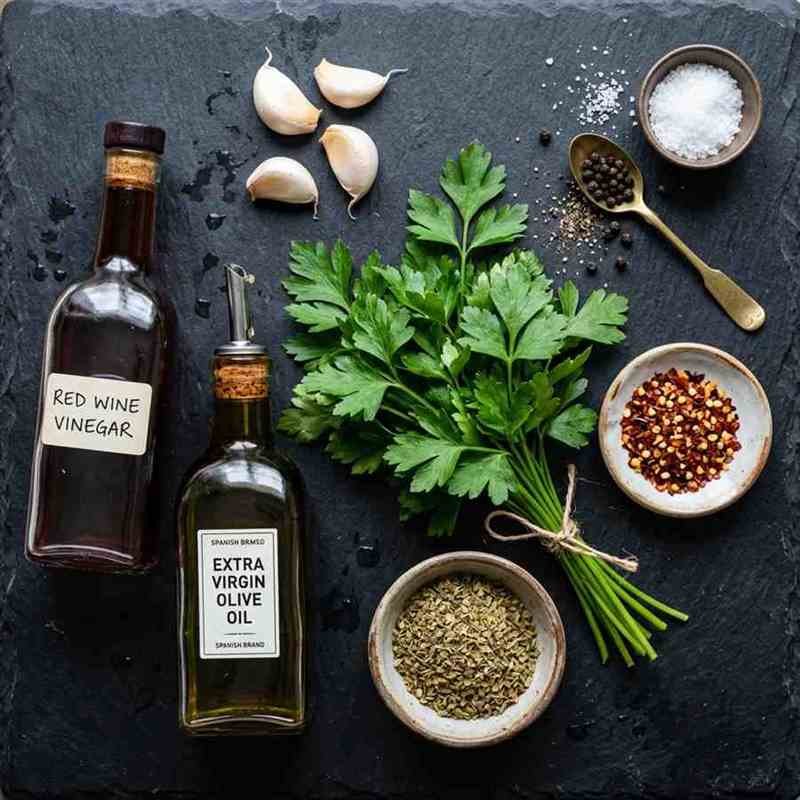
No cilantro? No problem. Just use all parsley. The sauce is excellent either way. Many people who dislike cilantro are devoted chimichurri fans because the classic recipe doesn’t need it.
How To Make Chimichurri Sauce?
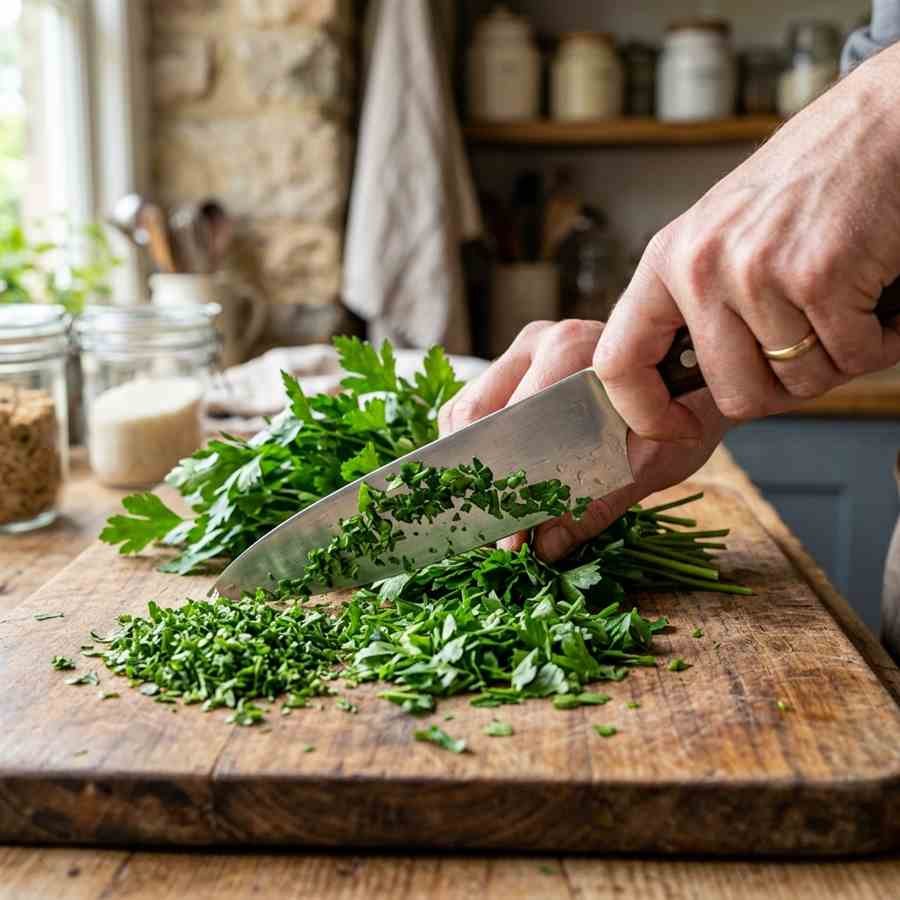
There are two methods, and they produce slightly different results. Both are correct. Here’s how to choose:
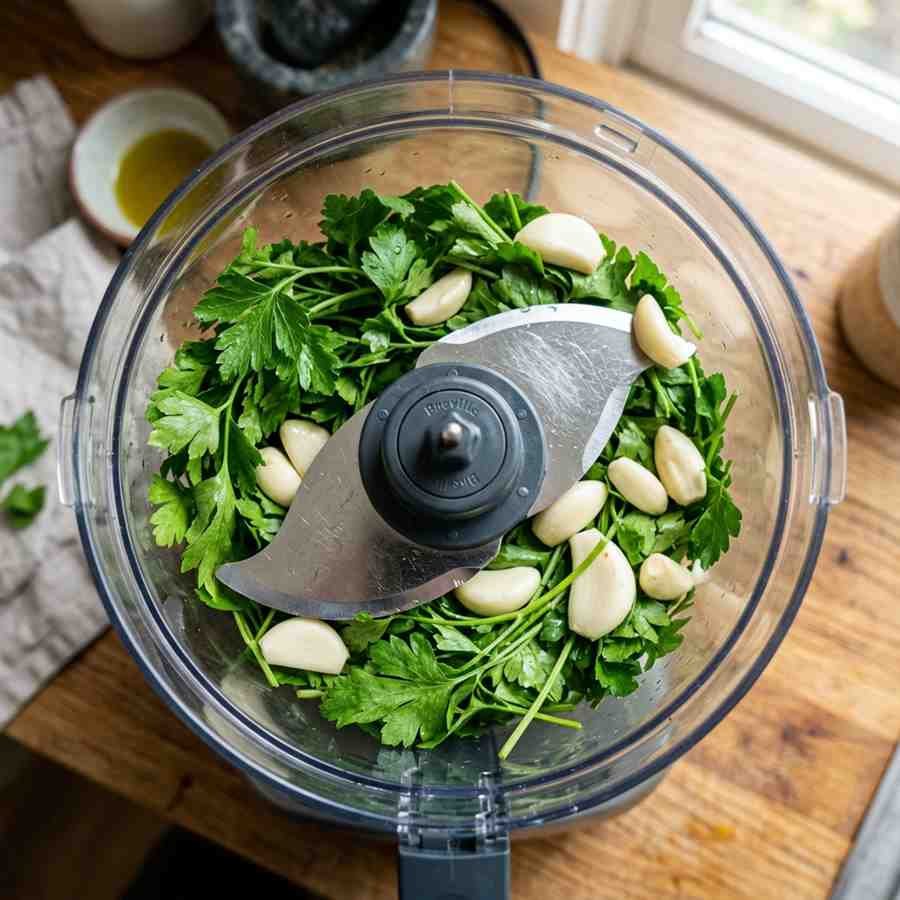
Is Chimichurri Sauce Spicy?
Short answer: No, not usually. But it’s adjustable.
Standard chimichurri sauce has a mild warmth from red pepper flakes — enough to notice on your tongue but not enough to make you reach for water. Most versions use about 1/4 to 1/2 teaspoon of red pepper flakes per batch, which translates to a “1 out of 10” spice level.
Here’s how to customize the heat:
| Heat Level | How To Achieve It |
|---|---|
| Mild (family-friendly) | Use just a pinch of red pepper flakes, or skip them entirely. The garlic provides enough backbone that the sauce still tastes bold. |
| Medium warmth | Double the red pepper flakes, or add a finely minced fresh red chili (Fresno, serrano, or jalapeño all work). Fresno chili is the gentlest of the three; serrano is noticeably hotter. |
| Fiery chimichurri | Some Uruguayan-style versions use significant amounts of fresh chili and could genuinely register as spicy. If you want that, add a full seeded chili and let the sauce rest overnight — the heat will develop and intensify. |
Bottom line: if you’re making this for kids or heat-sensitive guests, just reduce or eliminate the red pepper flakes. You lose nothing essential — the sauce is still bright, garlicky, and herby.
How To Use Chimichurri Sauce
The honest answer is: on almost everything. But here’s a practical breakdown by meal type:
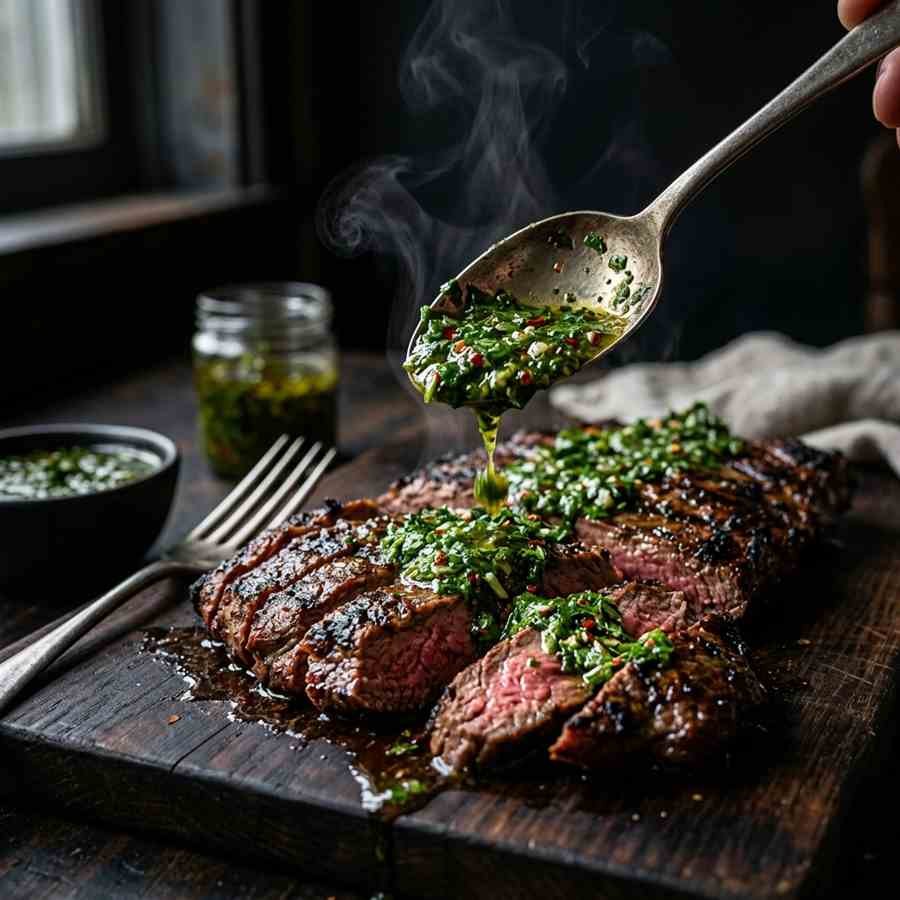
- Steak: The classic. Spoon generously over grilled skirt steak, flank steak, or ribeye right after resting. The heat from the meat warms the sauce and blooms the garlic flavor.
- Chicken: Doubles as both a marinade (30 minutes to overnight) and a finishing sauce. Particularly good on grilled thighs.
- Shrimp: Toss grilled shrimp in chimichurri for a 5-minute weeknight dinner that tastes like a restaurant.
- Salmon and fish: Chimichurri’s acid cuts through oily fish beautifully. Try it on pan-seared salmon or grilled swordfish.
- Lamb chops: The herb-and-garlic profile was made for lamb.
- Pork tenderloin: Underrated pairing. Chimichurri makes pork feel exciting.
- Drizzle over roasted potatoes or smashed potatoes fresh from the oven.
- Spoon over grilled zucchini, eggplant, or cauliflower steaks.
- Toss with roasted broccoli or Brussels sprouts in place of your usual sauces.
- Use as a dressing for warm roasted vegetable platters.
- Spoon over fried or poached eggs. This one sounds strange and is genuinely great.
- Fold into scrambled eggs for the last 30 seconds of cooking.
- Spread under the yolk on a breakfast sandwich instead of hot sauce.
- Serve with warm, crusty grilled bread. The garlicky oil soaks in immediately.
- Use as a dipping sauce for empanadas, roasted fingerling potatoes, or vegetable crudiés.
- Fold a tablespoon into Greek yogurt or sour cream for a quick dip.
- Toss with cooked quinoa, farro, or brown rice for a deeply flavored grain base.
- Drizzle into grain bowls with roasted chickpeas, avocado, and cucumber.
- Use as a pasta dressing for a cold pasta salad (works especially well with orzo).
- Chimichurri as pizza sauce (before adding toppings, brush it on the dough)
- Chimichurri mixed into hummus
- Chimichurri folded into butter for a compound herb butter
What Color Is Chimichurri Sauce?
Freshly made chimichurri verde is a vivid, bright green — almost electric. That’s the natural chlorophyll in fresh parsley at its peak. If your chimichurri looks dull, pale, or yellowish right after making it, your parsley wasn’t fresh enough.
Here’s what happens to the color over time:
Chimichurri rojo is, predictably, red — a deep brick red from roasted peppers and paprika, with flecks of green herb visible throughout.
Serving Suggestions
Chimichurri belongs at the center of the table, not as an afterthought. Here are complete meal ideas built around a batch:
How Long Does CHIMICHURRI LAST?
Chimichurri keeps much longer than most people expect — but there’s a range, and it depends on a few variables.
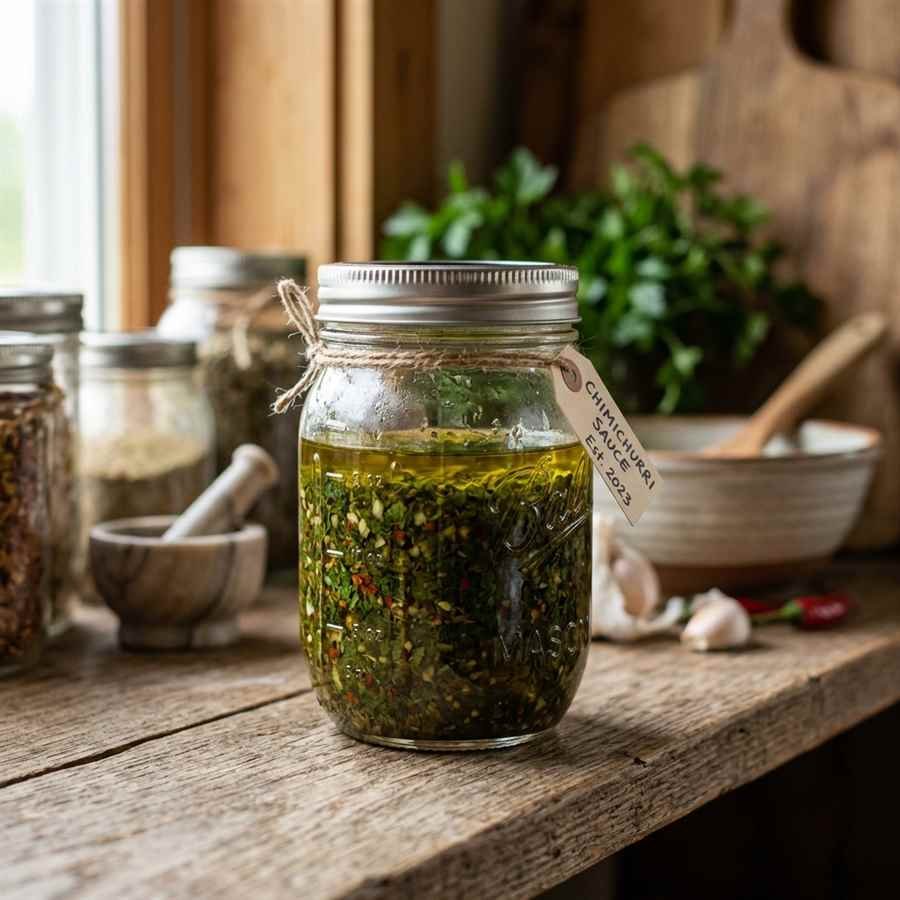
⏳ In the Refrigerator: 1 to 2 Weeks
Stored in an airtight glass jar. The high acid content from red wine vinegar acts as a natural preservative. Olive oil also creates an inhospitable environment for most bacteria. If you’ve used shallots or fresh chili, err on the shorter end (closer to 10 days) since these ingredients break down faster.
Why some recipes say “4 days”: These are ultra-conservative estimates, likely based on general herb sauce guidelines. Chimichurri with its oil-acid base is genuinely more shelf-stable than a pesto or fresh herb relish. That said, always use your senses: if it smells off, looks slimy, or has visible mold, discard it.
Tips to maximize shelf life:
- Use a clean spoon every time you serve it (no double-dipping)
- Keep it in a glass jar, not plastic (glass doesn’t absorb odors)
- Press a piece of plastic wrap against the surface before sealing to minimize air contact
- Always refrigerate after the initial rest period
Signs it’s gone bad: Slimy texture, off-putting smell (beyond the normal garlic pungency), mold growth on the surface. Note on color: Darkening is not spoilage. Chimichurri turns from bright green to dark olive green in the fridge and this is completely normal oxidation, not a food safety issue.
Can I Make Chimichurri Ahead?
Yes — and it actually tastes better the next day.
The flavor compounds in garlic and oregano continue to develop and meld when the sauce sits. Fresh chimichurri is good; chimichurri made the night before and refrigerated overnight is genuinely excellent. This makes it an ideal dish for entertaining or weekend meal prep.
How far ahead: You can make chimichurri up to 3 days before you need it and it’ll be at or near its flavor peak. Beyond 3 days it’s still good — just increasingly less “fresh tasting” and more “concentrated.”
Best practice for make-ahead chimichurri:
Can I Freeze Chimichurri?
Yes, chimichurri freezes well — with some caveats.
The ice cube tray method (recommended): Spoon fresh chimichurri into an ice cube tray (silicone works best), freeze solid, then transfer the cubes to a labeled freezer bag. Each cube is roughly 1–2 tablespoons — perfect for pulling out one portion at a time. Frozen chimichurri keeps well for up to 3 months.
What changes after freezing:
| What Changes | Details |
|---|---|
| Color Changes | The color fades noticeably. Thawed chimichurri is dark olive green rather than bright, regardless of how vibrant it was when frozen. |
| Texture Loosens | The texture loosens slightly — the parsley softens when frozen and thawed. It’s still fully usable as a sauce; it just won’t look great in photos. |
| Flavor Stays Good | The flavor remains good. Some cooks find frozen-then-thawed chimichurri actually works better as a marinade than a finishing sauce, since appearance matters less. |
How to thaw: Move cubes to the fridge the night before, or set them on the counter for 30–40 minutes. Don’t microwave — the heat kills the fresh herb character and makes the garlic taste burnt.
- 1 cup fresh flat-leaf parsley leaves (packed), finely chopped
- 3–4 cloves fresh garlic, minced
- 1 tsp dried oregano
- 2 tbsp red wine vinegar
- ½ cup extra-virgin olive oil
- ¼ tsp red pepper flakes (adjust to taste)
- ½ tsp salt (or to taste)
- ¼ tsp black pepper
- 1Strip parsley leaves from thick stems. Finely chop with a sharp knife.
- 2Mince garlic cloves as fine as possible.
- 3Combine parsley, garlic, oregano, red pepper flakes, salt, and pepper in a bowl.
- 4Add red wine vinegar and stir to combine.
- 5Drizzle in olive oil; stir until evenly coated.
- 6Taste and adjust seasoning.
- 7Rest 15–20 min at room temperature before serving.