Chimichurri Verde vs Rojo
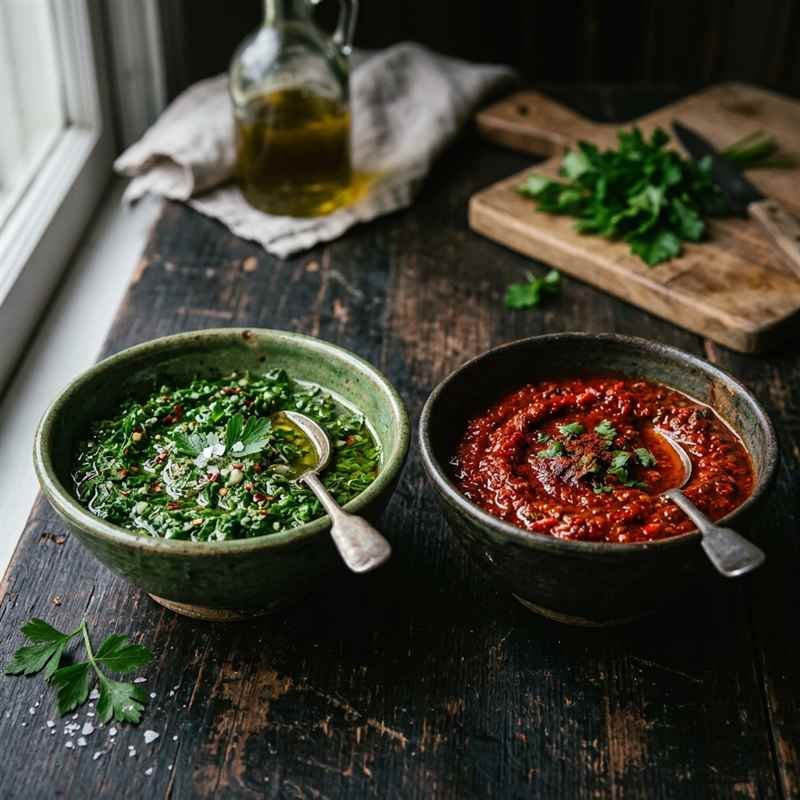
Understanding the differences between chimichurri verde vs rojo is often confusing. As an expert in South American condiments, I know choosing the right marinade is challenging. This comprehensive guide solves that dilemma perfectly. By analyzing the fresh flat-leaf parsley and smoked paprika elements, you gain an incredible culinary experience.
Mastering the battle of chimichurri verde vs rojo guarantees a flawless flavor profile for dinners. Both sauces utilize premium extra-virgin olive oil and tangy red wine vinegar beautifully. Whether you need an acidic palate cleanser or a robust meat marinade, this breakdown ensures your next barbecue is absolutely unforgettable.
What Is Chimichurri Before Comparing Chimichurri Verde vs Rojo?
Before diving into chimichurri verde vs rojo, defining the base sauce is absolutely necessary. It is a traditional Argentine condiment utilized heavily in regional barbecue culture. Both variations share a stunning rustic texture, serving as the ultimate acidic palate cleanser for incredibly rich, heavy grilled meats.
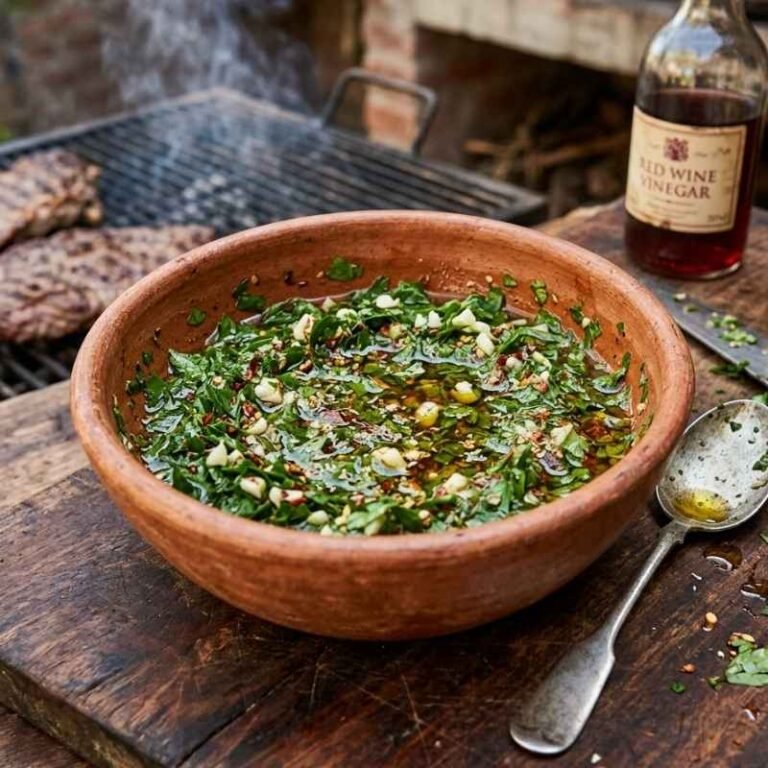
The foundation of chimichurri verde vs rojo always starts with a highly stable liquid emulsion. Chefs combine tangy red wine vinegar with premium extra-virgin olive oil. Adding pungent minced garlic cloves creates immense aromatic depth, transforming simple pantry staples into a world-class, globally recognized meat marinade instantly.
The Main Differences Between Chimichurri Verde vs Rojo
The Green Version
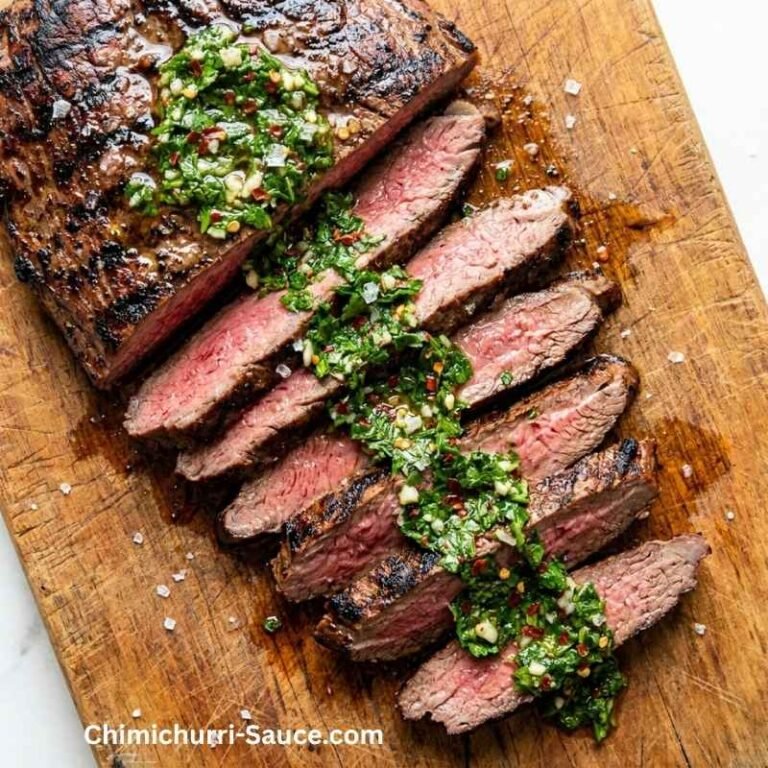
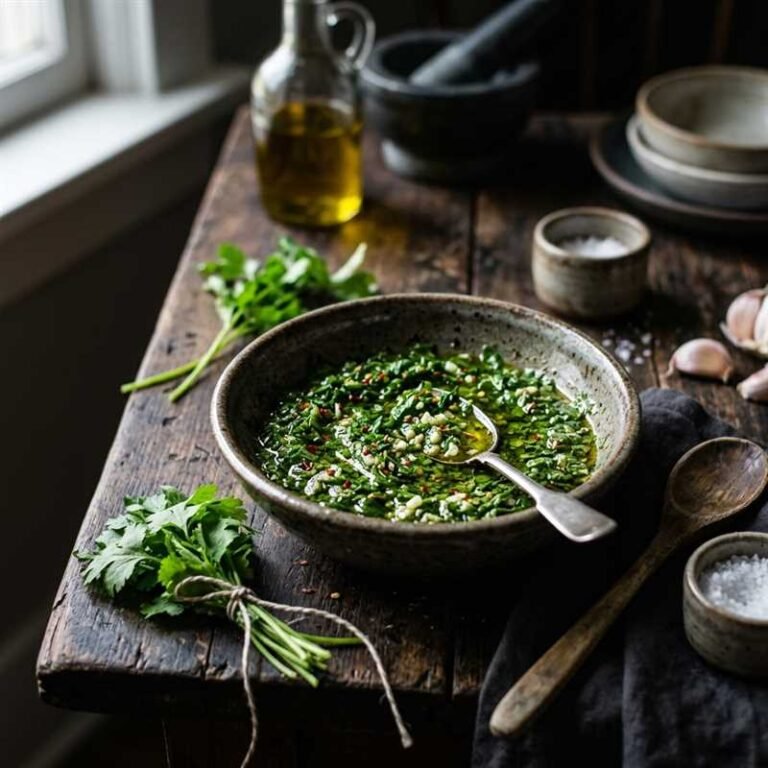
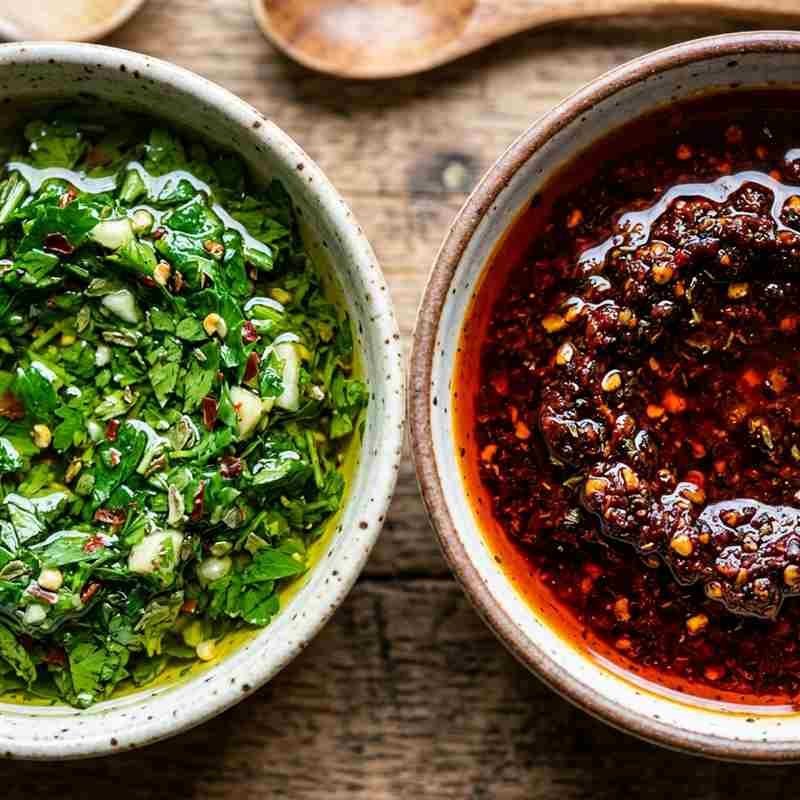
The primary distinction when analyzing chimichurri verde vs rojo lies entirely within their visual differences. The traditional green version relies heavily on fresh flat-leaf parsley for its vibrant emerald hue. This natural chlorophyll provides a stunning vegetal brightness that looks incredible spooned over beautifully grilled steak.
The Red Variation
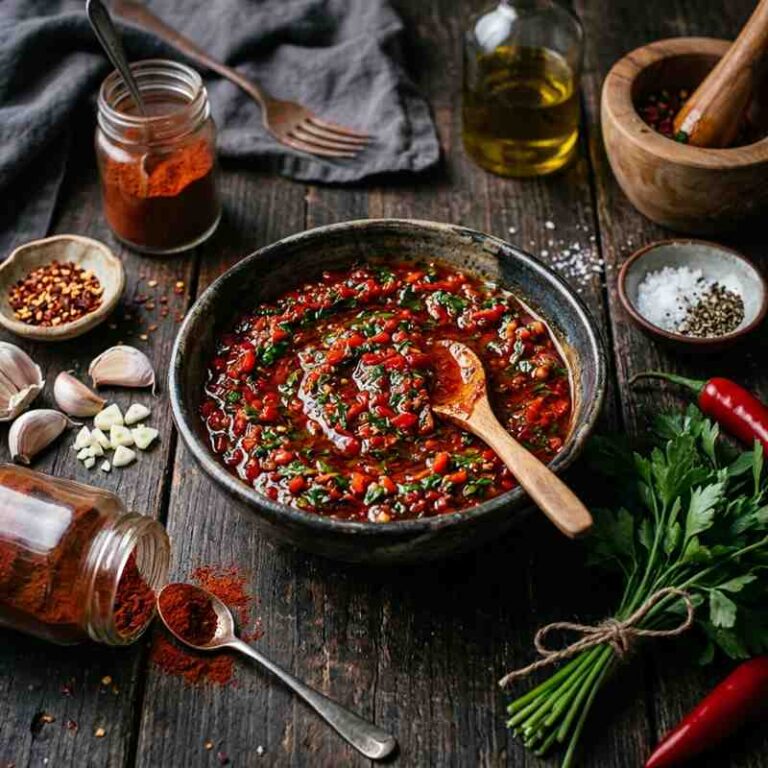
Conversely, the red variation in chimichurri verde vs Chimichurri rojo utilizes dry spices for its color. Heavy doses of sweet smoked paprika and spicy crushed red pepper generate a deep crimson appearance. This specific ingredient shift creates a drastically different aromatic depth and a much warmer culinary experience overall.
Chimichurri Verde vs Rojo: Key Differences & Best Pairings
Exploring the distinct taste of chimichurri verde vs rojo is crucial for proper meal planning. The green sauce delivers a bright, highly acidic, and zesty herbal punch. It serves as an incredibly refreshing acidic palate cleanser that flawlessly cuts through heavy fats found in premium grilled meats.
In contrast, the flavor profile of chimichurri verde vs rojo completely shifts with the red sauce. It offers a deeper, earthier warmth heavily driven by dried spices. The smoked paprika provides a robust, savory meat marinade that feels significantly heartier and more robust on your delicate palate.
Ingredients Needed For Chimichurri Verde vs Rojo
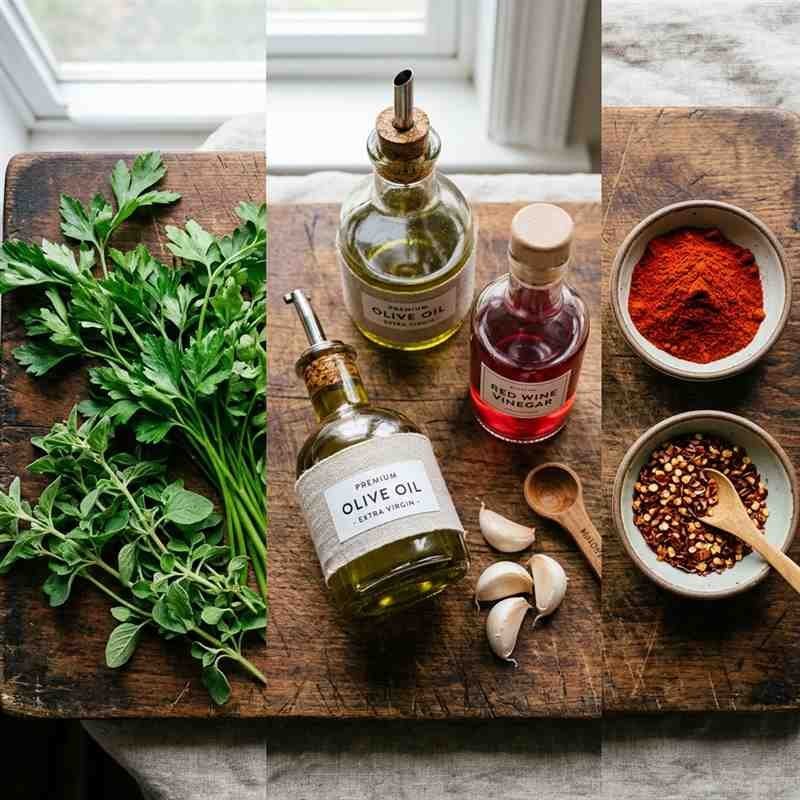
The foundational liquid ingredients of chimichurri verde vs rojo remain exactly the same. Both authentic South American condiments require a high-quality extra-virgin olive oil base. Tangy red wine vinegar and finely minced garlic cloves create the signature emulsion, ensuring a perfect rustic texture every single time.
The botanical divergence in chimichurri verde vs rojo involves the secondary components completely. The green version maximizes fresh flat-leaf parsley and oregano. Meanwhile, the red variation replaces those fresh greens with sweet smoked paprika and crushed red pepper, drastically altering the final aromatic depth and visual differences.
Which One Should You Use: Chimichurri Verde vs Rojo?
Making a decision between chimichurri verde vs rojo ultimately depends on your specific menu items. If you need a bright, zesty acidic palate cleanser for fatty beef, choose the green. It provides unparalleled vegetal brightness that elevates any heavy meal into a wonderfully refreshing culinary experience perfectly.
Alternatively, selecting chimichurri verde vs rojo for lean proteins points directly to the red sauce. The earthy, deep smoked paprika profile acts as a superior meat marinade for roasted chicken. Its robust warmth flawlessly enhances mild dishes, ensuring your dinner guests experience unforgettable, restaurant-quality flavor profiles.
Best Meat Pairings For Chimichurri Verde vs Rojo
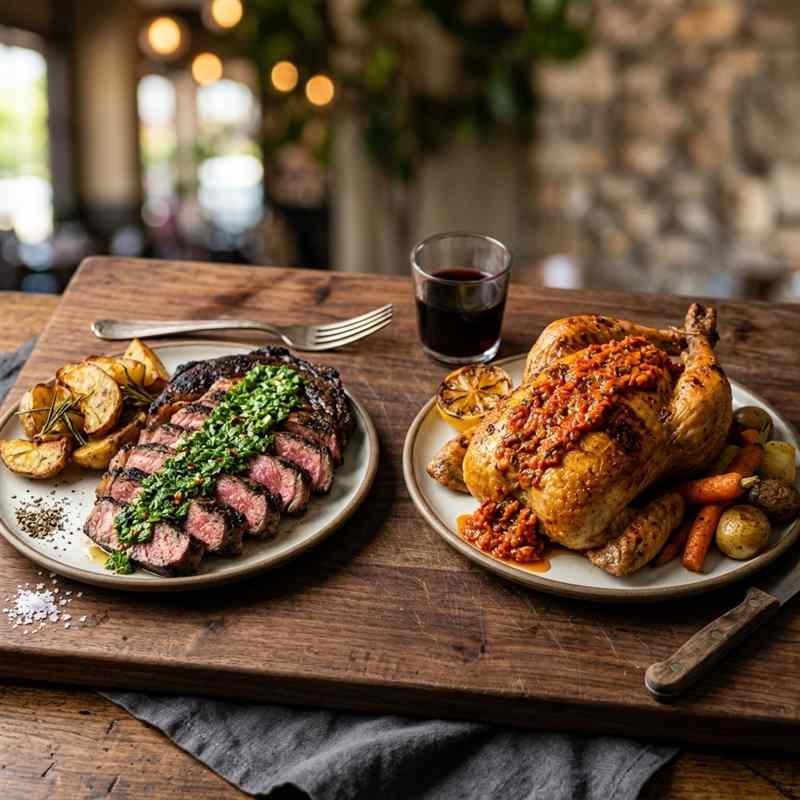
Pairing proteins correctly with chimichurri verde vs rojo elevates your entire dining experience immensely. The sharp acidity of the classic green sauce cuts through rich meats flawlessly. It remains the absolute perfect companion for heavily marbled ribeye steaks, rich lamb chops, and delicate fresh white seafood.
Matching diverse meats with chimichurri verde vs rojo changes drastically when utilizing the red sauce. The robust, earthy profile of the rojo variation enhances lean proteins beautifully. It serves as an exceptional savory meat marinade for thick pork chops and crispy roasted potatoes during weekend family barbecues.
How To Store Chimichurri Verde vs Rojo
The standard shelf life of chimichurri verde vs rojo differs slightly due to rapid ingredient oxidation. The green sauce naturally loses its vibrant emerald color quickly, often turning dark within two days. It is always best consumed immediately to maintain maximum herbal brightness and perfectly fresh flavor.
Regarding longevity, comparing chimichurri verde vs rojo proves the red version actually lasts much longer. Because it relies entirely on dried spices and smoked paprika, the rojo sauce maintains its gorgeous crimson color. It preserves its incredible aromatic depth in the refrigerator beautifully for several weeks.
Frequently Asked Questions About Chimichurri Verde vs Rojo
Can I mix chimichurri verde vs rojo together?
While you physically can, it is highly discouraged. Blending them completely muddles their distinct flavor profiles, ruining both the bright acidity of the green and the smoky earthiness of the red. Always keep these South American condiments in separate serving bowls.
Are both types of chimichurri gluten-free?
Yes, authentic preparations of both chimichurri verde vs rojo consist entirely of fresh herbs, spices, extra-virgin olive oil, and red wine vinegar. They are naturally 100% gluten-free and fit perfectly into Keto and strict Paleo diets.
Which sauce is better for chicken?
Red chimichurri is generally better for chicken as a pre-cook meat marinade due to its smoked paprika base, while green chimichurri is excellent as a fresh finishing sauce spooned over the chicken right after grilling.

Leo Thorne is a dedicated recipe developer and culinary strategist passionate about bringing global flavors to your kitchen. With a background in digital content creation, he specializes in crafting meticulously tested recipes, from authentic Argentine marinades to perfect weekend bakes. He bridges the gap between culinary science and accessible home cooking. When he is not developing vibrant sauces or analyzing food trends, he enjoys perfecting delicious homemade tuna salad dishes.